Asphalt Shingles vs Metal Roofing: Which Is Better for Cincinnati Homes?

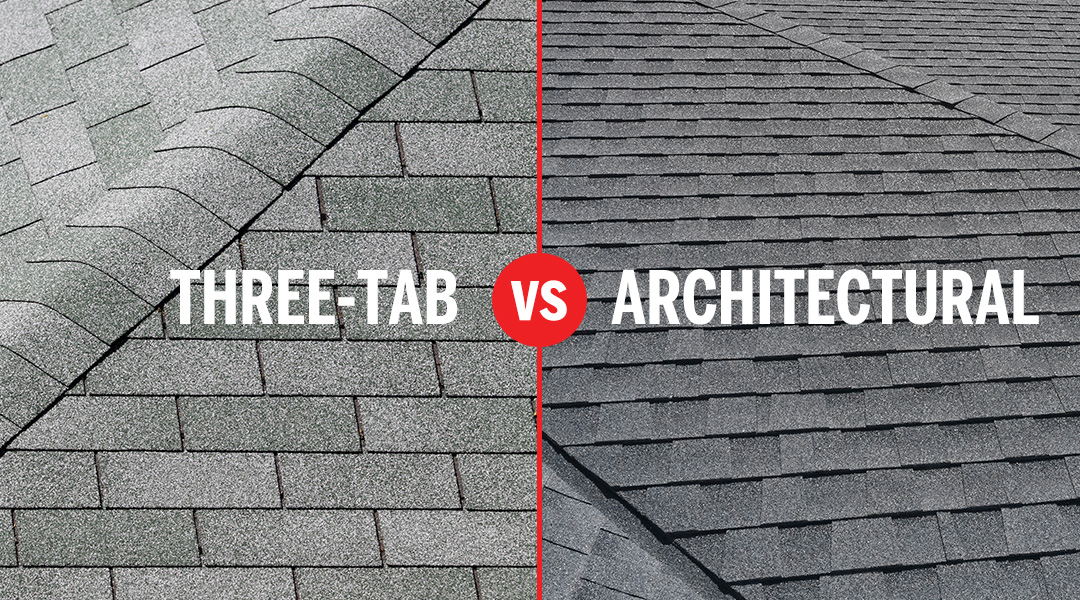
If you are replacing your roof in Cincinnati, the two materials worth pricing are architectural asphalt shingles and standing seam metal. Everything else, 3-tab, stone-coated steel, exposed-fastener metal, synthetic slate, is either a niche choice or a downgrade.
Short answer: asphalt shingles cost about half as much up front and cover roughly 90% of Cincinnati homes just fine. Metal costs 2 to 3x more, lasts 2 to 3x longer, and pays off on homes you plan to keep 20+ years, on steep/architectural roofs where it becomes a design feature, and on low-slope sections where shingles struggle.
Here is the honest side-by-side, plus how each holds up in our freeze-thaw and hail climate.
Asphalt Shingles vs Metal Roofing at a Glance
| Feature | Architectural Asphalt | Standing Seam Metal |
|---|---|---|
| Installed cost per square | $450 to $650 | $1,000 to $1,600 |
| Typical 2,000 sq ft roof | $9,000 to $14,500 | $22,000 to $35,000 |
| Lifespan | 25 to 30 years | 40 to 70 years |
| Wind rating | 110 to 130 mph | 140 to 180 mph |
| Hail performance | Good (Class 3 to 4 available) | Excellent, but dents show |
| Freeze-thaw performance | Strong | Excellent |
| Weight | ~400 lbs per square | ~150 lbs per square |
| Insurance discount | Sometimes (impact-rated) | Often 5 to 15% |
| Resale value impact | Neutral to positive | Positive on the right home |
| Noise in rain | Quiet | Audible without proper underlayment |
Cost: Where the Gap Really Is
On a standard 2,000 sq ft Cincinnati roof (about 22 squares of coverage), you are looking at roughly $9,000 to $14,500 for architectural asphalt vs $22,000 to $35,000 for standing seam metal. That is a real $13,000 to $20,000 gap and it is the single biggest reason most homeowners still choose asphalt.
Where metal starts to win the math: if you plan to stay in the home 25+ years, one metal roof replaces roughly two asphalt roofs. Amortized over 50 years, metal often lands within a few thousand dollars of asphalt, and you avoid the disruption of a second tear-off. See our full roof replacement cost guide for how these numbers move with pitch, layers, and decking.
Lifespan in Ohio's Climate
Manufacturers rate architectural asphalt at 30 years to lifetime and standing seam metal at 40 to 70 years. In real-world Cincinnati use, we see:
- Architectural asphalt: 25 to 30 years before major granule loss and end-of-life signs.
- Standing seam metal: 40 to 50 years with a Kynar 500 painted finish, longer for bare Galvalume on outbuildings.
Freeze-thaw is the quiet killer for asphalt shingles in this market. Metal panels expand and contract without cracking, which is why they outlast asphalt on the same house by 15 to 25 years.
Hail and Storm Performance
Cincinnati gets 2 to 4 hail-producing storms in a typical year. Here is how each material handles them:
- Asphalt shingles: Standard architectural shingles handle pea-sized hail without issue. Quarter-sized and larger will bruise the mat and shorten lifespan: that is what claims adjusters look for. Class 4 impact-rated shingles (like Owens Corning Duration Storm) resist bruising from up to 2-inch hail and often earn an insurance discount.
- Standing seam metal: Almost never suffers functional damage from hail: the panels do not crack or lose granules. The tradeoff is cosmetic denting. Most policies exclude cosmetic hail damage on metal roofs, so a hailstorm that would total an asphalt roof (paid claim) may only cosmetically dent a metal one (no claim). That is a feature if you plan to stay; a wash if you were counting on insurance to replace it.
See hail damage repair in Cincinnati for what actually gets paid on a claim.
Noise: The Metal Roof Myth
Old barn-metal roofs are loud in rain because they are installed over open purlins with no underlayment. A properly installed residential standing seam roof goes over solid decking with synthetic underlayment (and often a layer of high-temp ice-and-water shield), which reduces rain noise to roughly the same level as a shingle roof from inside the house. It is audible in a heavy downpour, not disruptive.
Curb Appeal and Resale
Architectural asphalt is the neutral choice: it looks good. It does not hurt resale, and buyers do not think twice about it.
Metal is a design decision. On modern farmhouse, craftsman, contemporary, and any home with a steep front-facing pitch, standing seam becomes a selling feature and often raises appraised value. On a 1970s ranch in a neighborhood of asphalt roofs, metal can look out of place and narrow the buyer pool. Match the material to the house.
Insurance Treatment
Both materials qualify for standard homeowners coverage in Ohio. The differences:
- Asphalt: Some carriers apply a roof-age depreciation schedule (ACV vs RCV) starting around year 15. Class 4 impact-rated shingles often earn a 5 to 10% premium discount.
- Metal: Often earns a 5 to 15% discount for wind and fire resistance. But, most policies now exclude cosmetic hail damage on metal. Read that endorsement before you sign.
If you are shopping policies, our guide on roof coverage when switching homeowners insurance walks through what to check.
When Asphalt Is the Right Call
- You plan to sell within 10 to 15 years and want the best return on the roof spend.
- Your home is a traditional-style Cincinnati house where metal would look out of place.
- You need to stay under budget: a quality architectural shingle roof beats a cut-rate metal install every time.
- Your neighborhood or HOA restricts metal roofing.
When Metal Is Worth the Premium
- You plan to stay in the home 20+ years and want to replace the roof once.
- You have low-slope sections (2/12 to 4/12) where shingles are marginal: standing seam is designed for it.
- The home's architecture supports it (modern, farmhouse, craftsman, contemporary).
- You want the lowest possible maintenance and the best hail durability, and you are okay if a hail claim gets denied for cosmetic-only damage.
For a deeper look at metal specifically, see our metal roofing services page.
The Bottom Line
Architectural asphalt shingles are the right answer for most Cincinnati homes: solid lifespan, strong wind and hail performance, neutral resale, and half the up-front cost of metal. Standing seam metal is the right answer when you are staying long-term, the architecture supports it, or you have low-slope sections that shingles cannot handle well.
Want a real number for both options on your specific home? Get an instant roof cost estimate or book a free inspection: we will price asphalt and standing seam side by side so you can decide with real numbers, not ranges.