
5 Signs Cincinnati Homeowners Need a Roof Replacement

How Do You Know When It's Time for a New Roof in Cincinnati?
Cincinnati's climate doesn't go easy on roofs. We get 44 inches of rain per year — 16% above the national average — plus 57 freeze-thaw cycles every winter, humidity that stays locked between 74% and 81% year-round, and 97+ severe weather warnings annually. The Ohio River Valley traps moisture like nowhere else in the Midwest. Your roof is wet roughly 40% of the year.
That combination ages a roof 3 to 5 years faster than the national average. A shingle rated for 30 years in a mild climate realistically lasts 20 to 25 years here. So how do you know when repairs stop making sense and it's time for a full roof replacement in Cincinnati?
Here are five signs we see constantly on Cincinnati-area inspections — and what to do about each one.
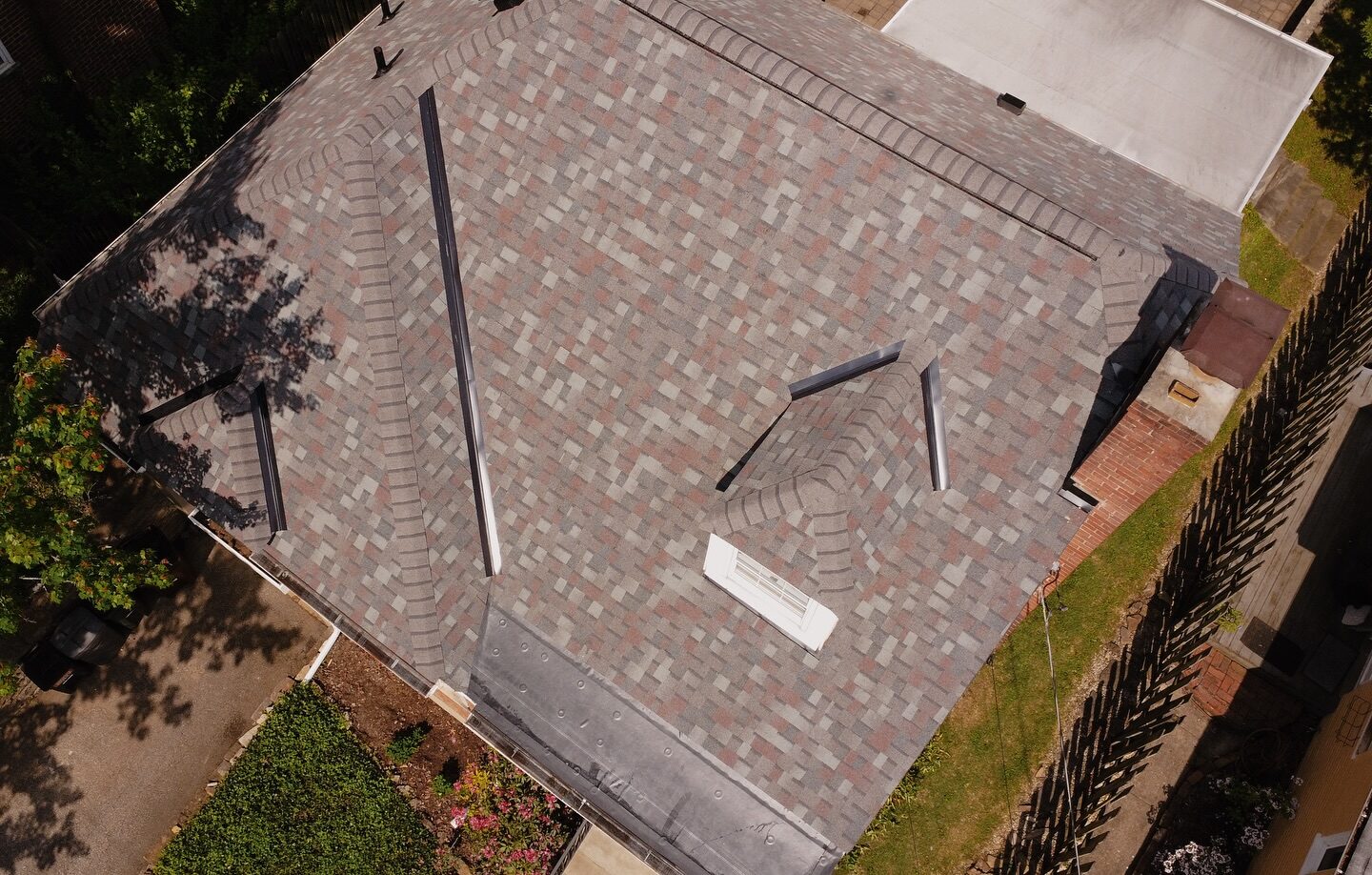
Sign #1 — Your Roof Is 20+ Years Old
Most asphalt shingle roofs are marketed with a 25- to 30-year lifespan. In Cincinnati's climate, here's what actually happens:
Around years 10 to 15, the asphalt oils start drying out. Shingles lose flexibility. Early granule loss begins, and the seal strips that hold shingles down start to weaken. By years 15 to 20, that granule loss accelerates — you'll start noticing your gutters filling with gritty, sandy buildup. Colors fade. Standard 3-tab shingles start failing. Between years 20 and 25, you're in the terminal phase: curling, cracking, and missing shingles become common. The underlayment underneath is often just as brittle as the shingles on top.
If your Mason or West Chester home was built in the early 2000s, your roof is approaching that 25-year mark right now. Homes built in the 1990s across Loveland and Liberty Township? They're past due. A professional roof inspection can tell you exactly where your roof stands — no guesswork.
Sign #2 — Your Shingles Are Curling, Cracking, or Missing
This is the one most homeowners notice first. You look up and something just doesn't look right. There are actually three distinct types of shingle failure, and each tells a different story:
Cupping is when the edges of a shingle turn upward, creating a bowl-like shape. This usually means moisture is trapped underneath — often from poor attic ventilation. Clawing is the opposite: the edges stay flat but the center bulges upward. That's the asphalt losing its grip on the fiberglass mat inside the shingle — a sign of age. Cracking shows up as fine or wide splits across the surface, caused by years of UV exposure and those 57 freeze-thaw cycles expanding and contracting the material.
Once a shingle curls or lifts, wind catches the edge. Cincinnati's design wind speed is 90 mph — and during storm season, particularly spring and early summer, high winds and hail accelerate the damage fast. A curled edge today becomes a missing shingle after the next storm, and a missing shingle becomes a leak.
The threshold most contractors use: if less than 10-15% of your roof surface is affected on a younger roof, targeted repairs can work. Once you're past 15%, the roof has entered its end-of-life phase and replacement is the smarter investment.
Sign #3 — You're Finding Granules in Your Gutters
If you're finding gritty, sandy stuff collecting in your gutters — that's called granule loss, and it's one of the clearest signs your shingles are wearing out.
Granules are the crushed stone and ceramic particles embedded on every asphalt shingle. They do three critical jobs: block UV rays from degrading the asphalt underneath, provide fire resistance, and give your roof its color. Without that granule layer, direct sunlight bakes the exposed asphalt, and deterioration accelerates dramatically.
Some granule loss right after a new installation is normal — that's just loose manufacturing residue. But significant granule accumulation in your gutters on a roof older than 10 years is a red flag. You might also notice dark, smooth-looking patches on your roof where shingles appear bald. After a hailstorm — and Cincinnati averages 90+ reports of 1-inch hail within 10 miles of the city center — granule loss can happen overnight.
Check your gutters next time you clean them. Check the ground at the base of your downspouts. If you're seeing heavy buildup, your shingles are losing the protection that keeps them functional.
Sign #4 — Water Stains, Leaks, or Daylight in Your Attic
This one scares people — and it should get your attention. But it doesn't have to be an emergency if you catch it early.
Here's a simple check any homeowner can do: go up to your attic on a sunny day, turn off the lights, and look for pinpoints of light coming through the roof boards. Where light gets in, water gets in. While you're up there, run your hand along the rafters and decking — feel for dampness. Look for brown or yellow water stains. Check for black or green mold patches. If you notice a musty smell, that's moisture that's been sitting. In winter, look for frost on the underside of the roof deck, which signals inadequate ventilation.
If the decking feels soft when you press on it, that's rot — and it means the damage has gone beyond the shingles. This is especially common in older Cincinnati homes where roof decking has warped over decades of temperature swings between 93-degree summers and below-zero winters.
A single isolated leak on a newer roof is usually a straightforward repair. Multiple leaks in different areas on a roof that's 15+ years old? That's systemic failure. At that point, annual repairs of $750 to $1,500 start adding up fast — and you still have an aging roof underneath.
Sign #5 — Your Neighbors Are Getting New Roofs
This might sound like an odd sign, but in Cincinnati it's one of the most reliable indicators — and here's why.
Entire subdivisions across Mason, West Chester, Liberty Township, and Anderson Township were built within a 2- to 5-year window during the housing booms of the 1990s and early 2000s. That means hundreds of roofs in the same neighborhood are the same age, made with the same materials, and have taken the same weather punishment for the same number of years.
When roofs start failing, they fail together. If you see three roofing crews on your street after a spring storm, your roof took the same beating — and it's the same age as the ones being replaced. We see this pattern constantly during storm damage season. One homeowner files a claim, gets a replacement, and within six months half the street follows.
It's also worth knowing: some insurance companies now use aerial imagery and drones to assess roof condition, and they will drop coverage or refuse renewal if your shingles show visible deterioration. If your neighbors are getting letters from their carriers, yours may not be far behind.
Should You Repair or Replace Your Cincinnati Roof?
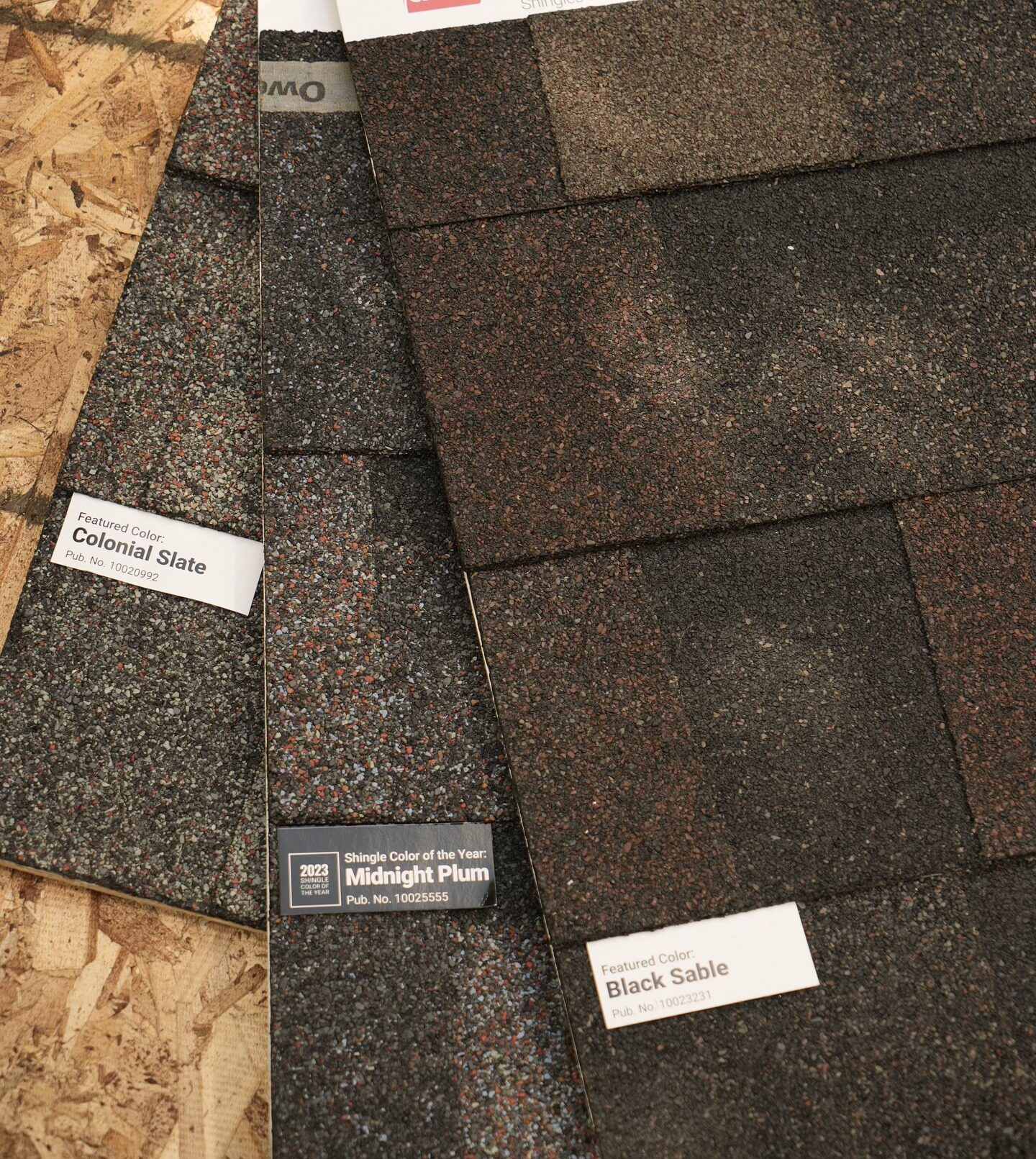
This is the question we get asked more than anything: "Can I just patch it?" Sometimes the honest answer is yes. Here's how to think about it.
The industry standard is the 30% rule: if damage covers more than 30% of your roof's surface area, replacement is more economical than repairs. Insurance adjusters use this same threshold.
Age matters just as much as visible damage. On a roof with a realistic 25-year lifespan in Cincinnati's climate, here's the general breakdown: from 0 to 12 years, repairs make financial sense for isolated damage. From 12 to 18 years, evaluate carefully — fix minor issues but start planning ahead. From 18 to 24 years, replacement is almost always the better financial decision. Past 24 years, every dollar spent on repairs is money you won't get back.
The cost math is simple: if you're spending $750 to $1,500 per year on roof repairs, that adds up to the cost of a new roof within 7 to 10 years — and you still have an old roof when you're done. Meanwhile, one bad storm can turn a manageable repair into a $20,000+ project when water reaches the decking, insulation, and interior. Mold remediation alone runs $2,000 to $10,000.
What Does a Roof Replacement Cost in Greater Cincinnati?
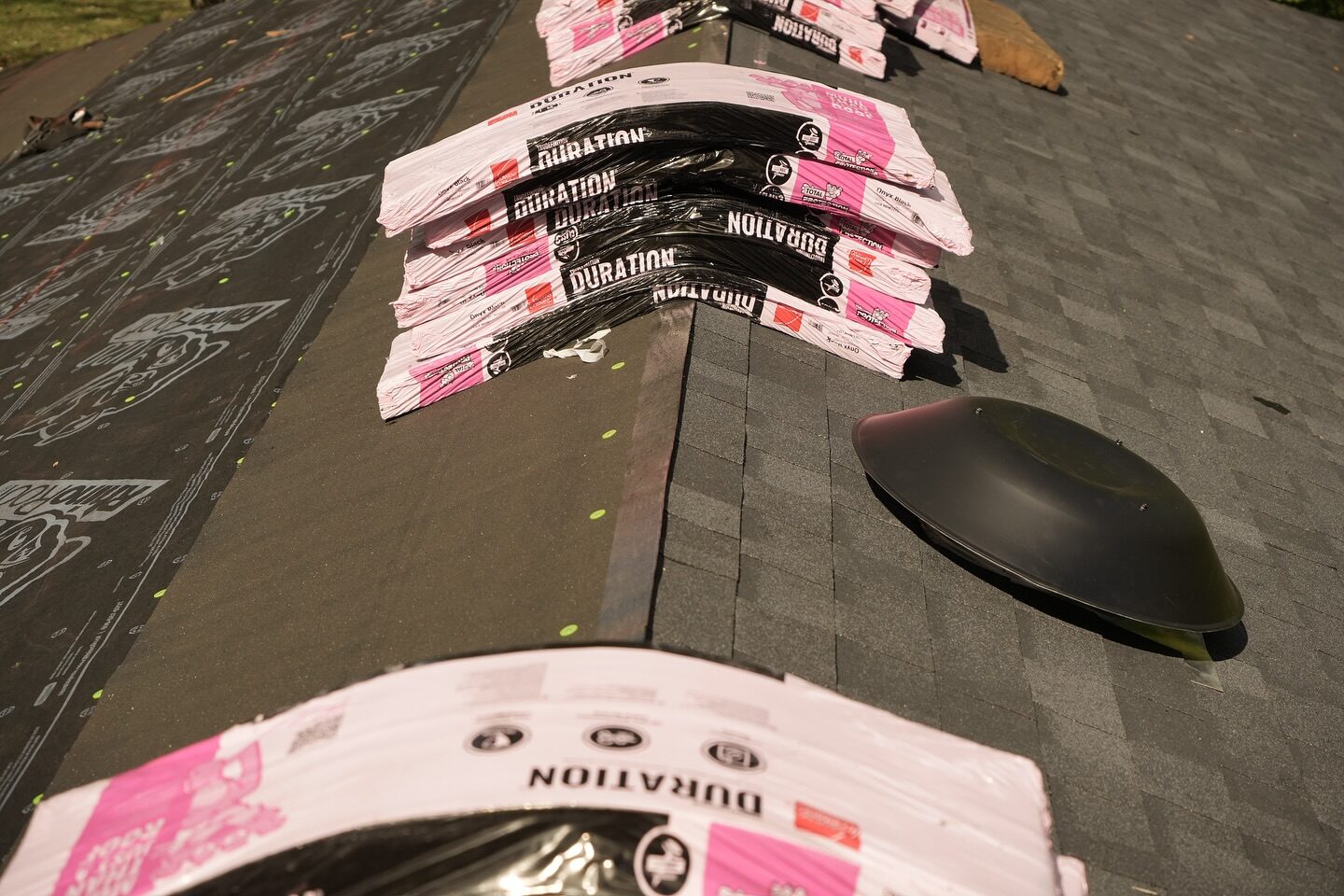
Most Cincinnati-area homeowners pay between $10,000 and $20,000 for a complete roof replacement with architectural asphalt shingles. The average project on a typical 1,800 to 2,000 square foot home runs $12,000 to $16,000. Labor accounts for 40-60% of the total cost.
That's a significant investment — but the return is real. A new roof recovers 60-70% of its cost at resale. A $15,000 replacement adds roughly $9,000 to $10,500 in home value. Homes with new roofs sell about 30% faster and eliminate the $5,000 to $15,000 in buyer negotiation credits that come with an aging roof.
On the insurance side, Ohio homeowner premiums rose 10.9% in 2024, and carriers are getting stricter about roof condition. Impact-resistant Class 4 shingles can earn 5-35% premium discounts with many Ohio carriers — savings of $200 to $500+ annually that pay back the upgrade cost within 5 to 10 years.
We offer roof financing with manageable monthly payments through Kemba so the investment does not have to land all at once. And every inspection we do is completely FREE — no obligation, no pressure.
What to Do Next
If any of these signs sound familiar, here's a quick ground-level check you can do right now: walk around your home and look for shingles that are cracked, curled, or missing. Check your gutters for granule buildup. Look at your roof from across the street — does it look wavy, uneven, or patchy? Go up to the attic and look for light, stains, or soft spots.
If you spot any of these, the next step is a professional inspection. At Rooftop Relief, we're an Owens Corning Preferred Contractor — which means we can offer the industry's strongest warranties, including 50-year non-prorated material coverage that's only available through Owens Corning Preferred Contractors. We've helped hundreds of families across Cincinnati, Loveland, Mason, West Chester, Milford, and surrounding communities make confident roofing decisions.
We'll be honest about what we find. If repairs make sense, we'll tell you. If replacement is the right call, we'll walk you through every option and help with insurance if storm damage is involved.
Ready to find out where your roof stands? Schedule your FREE inspection today or call us at (513) 848-5343. We'll contact you within 2 hours.
Frequently Asked Questions About Roof Replacement in Cincinnati
Short answers below. Our full roof replacement FAQ goes deeper on warranties, permits, and timelines.
How do I know if I need a new roof or just repairs?
Use the 30% rule: if damage covers more than 30% of your roof, replacement is more cost-effective. Also consider age — if your roof is over 18-20 years old in Cincinnati's climate and showing multiple signs of wear, repairs are usually just delaying the inevitable. A FREE inspection gives you the full picture.
How much does a roof replacement cost in Cincinnati?
Most homeowners in the Cincinnati area pay between $10,000 and $20,000 for a full replacement with architectural asphalt shingles. A typical 1,800 to 2,000 sq ft home averages $12,000 to $16,000. Factors that affect cost include roof size, pitch, material choice, and whether decking needs replacement.
Does homeowners insurance cover roof replacement in Ohio?
Insurance covers sudden damage from storms, hail, wind, and fallen trees — but never normal wear and aging. Ohio carriers are getting stricter: premiums rose 10.9% in 2024, and some companies now use drones to assess roof condition. Check whether your policy is Replacement Cost Value (RCV) or Actual Cash Value (ACV) — ACV policies depreciate payouts for older roofs significantly. Before you renew, read our guide to shopping homeowners insurance for roof coverage in Cincinnati.
How long do roofs last in Cincinnati's climate?
Standard 3-tab shingles last 15-20 years. Architectural shingles last 20-28 years. Premium architectural shingles like Owens Corning Duration can reach 25-30 years with proper ventilation. Metal roofing lasts 40-70 years. Cincinnati's 57 annual freeze-thaw cycles, high humidity, and frequent storms reduce these lifespans by 3-5 years compared to gentler climates.
What is the best time of year to replace a roof in Cincinnati?
Late spring through early fall (May through October) offers the best installation conditions. Asphalt shingles need warm temperatures to properly seal. However, emergency replacements happen year-round. If your roof is failing, waiting for perfect weather can lead to more expensive damage. Most replacements take 1-3 days for an average-sized home.
Can I put new shingles over old ones to save money?
We strongly advise against it. Layering traps heat and moisture between the layers, prevents inspection of the roof deck underneath, voids nearly all manufacturer warranties, and cuts the new roof's lifespan roughly in half. It might save money upfront, but it costs significantly more in the long run.
